What to Expect During Storm Damage Cleanup After Severe Weather
Assessing the Situation After the Storm Passes
When the wind dies down and the rain stops, the real work begins. Storm damage cleanup can feel overwhelming, especially when large trees or heavy branches have fallen across your property. The first step is always safety. Do not approach downed power lines or trees that are leaning on them. Utility companies need to handle those situations first. Once you have confirmed that the area is safe to enter, you can start evaluating what needs to be done.
Look at the trees on your property. Some may have lost only a few limbs. Others might be uprooted or split down the middle. A tree that has partially fallen but is still attached to the stump is especially dangerous. It can shift without warning. In these cases, it is best to call a professional service that specializes in storm damage cleanup. They have the training and equipment to bring down unstable trees without causing more damage to your home or landscape.
Prioritizing Safety and Structural Risks
Safety should guide every decision you make during storm damage cleanup. Start by keeping family members and pets away from the affected area. Fallen trees can hide sharp branches, loose wires, or unstable ground. Even a branch that looks secure might snap under pressure. If a tree has fallen onto your house, do not try to remove it yourself. The weight of the tree could be holding part of the roof or wall in place. Removing it incorrectly could lead to collapse or further structural damage.
Professional crews approach these situations methodically. They first secure the area, then assess how the tree is resting. They look for tension points and decide the safest way to cut and remove each section. This is where experience matters. A skilled team can take down a tree piece by piece, lowering each section with ropes so nothing falls onto your home. Jasper Tree Removal storm damage cleanup services follow this careful approach, ensuring that every step is planned and executed with safety in mind.
Understanding the Scope of Work
Storm damage cleanup is not just about cutting wood. It involves removing debris, clearing access paths, and sometimes grinding stumps so the yard can be used again. The scope of the job depends on the storm and the trees involved. A few broken limbs might take a couple of hours. A large oak that has fallen across a driveway could take a full day or more. The size of the tree, its location near structures, and the complexity of the removal all affect how the work proceeds.
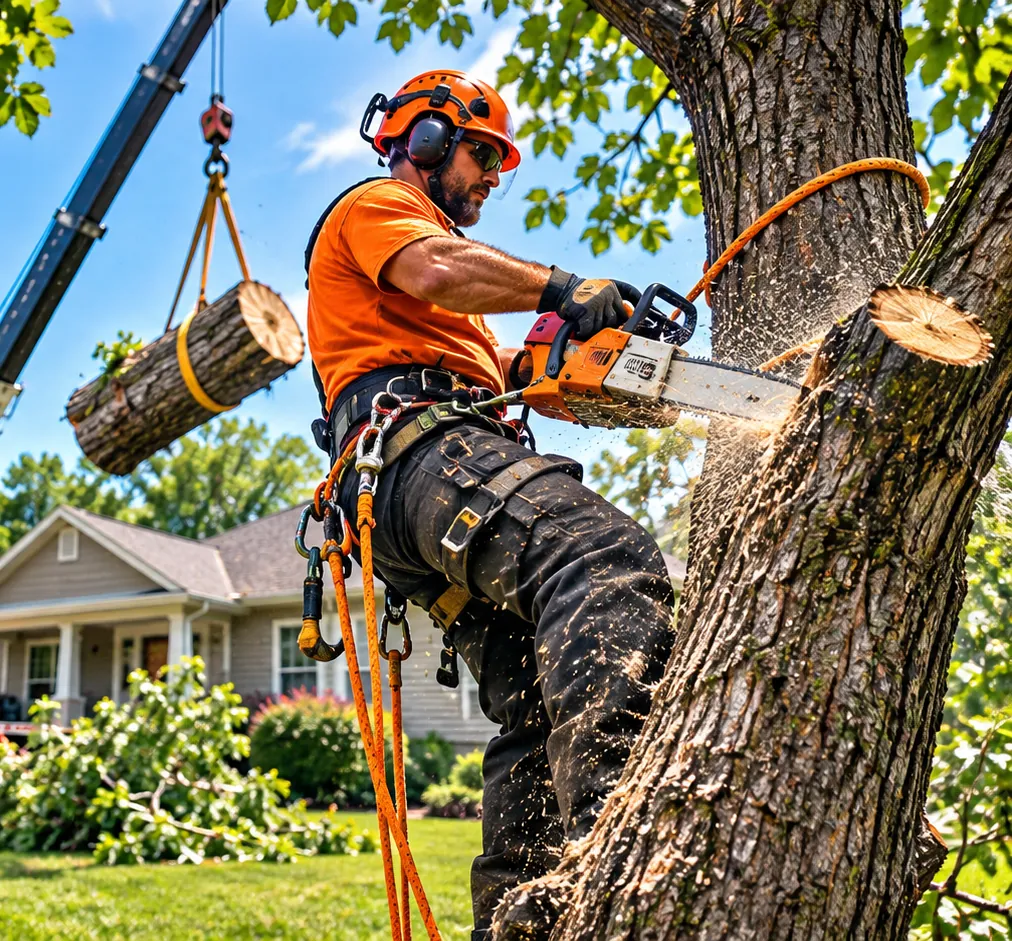
One common question is whether to handle the cleanup yourself or hire help. For small branches and light debris, a chainsaw and some muscle might be enough. But for large trees, especially those that have fallen onto buildings or fences, professional equipment is necessary. Cranes, bucket trucks, and stump grinders are tools that most homeowners do not have access to. Trying to do this kind of work without the right gear can lead to injury or additional property damage. It is often more efficient and safer to let a crew handle the heavy lifting.
What Happens During Professional Cleanup
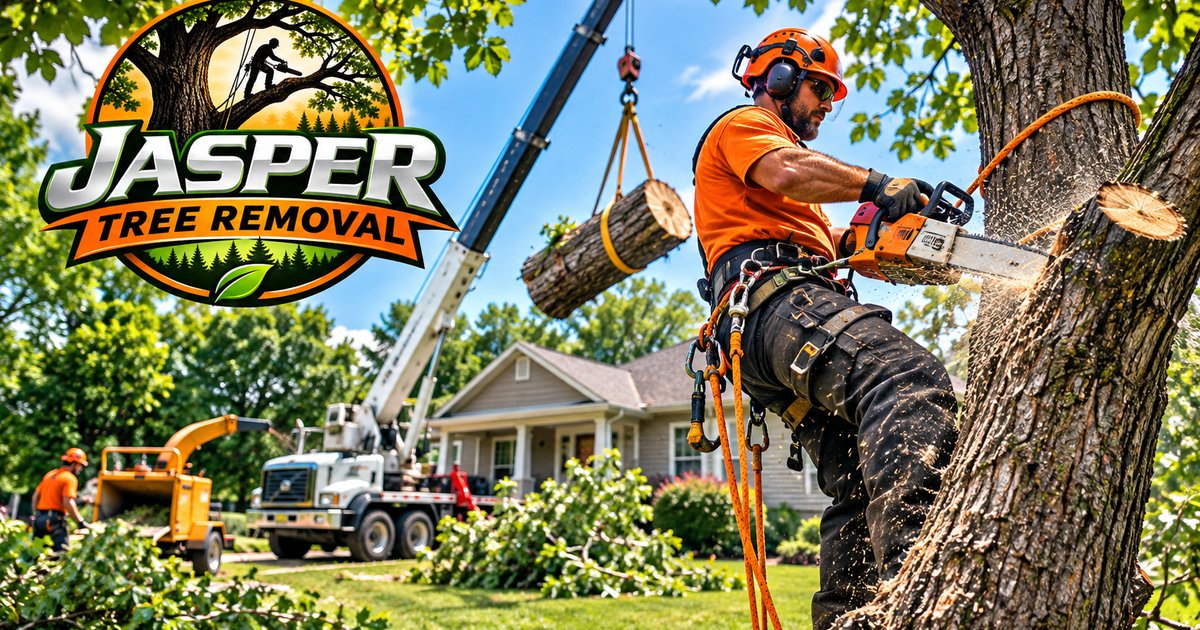
When you call a tree service for storm damage cleanup, they typically start with a walkthrough. They look at the trees, note any hazards, and plan the removal order. Then they bring in equipment suited to the job. For a tree that has fallen onto a roof, they might use a crane to lift the trunk so roof repairs can begin. For a tree that has split but is still standing, they might climb it and cut it down in sections. Each piece is lowered carefully to the ground, then cut into manageable sizes for removal.
After the main tree is gone, the crew clears the debris. They haul away branches, logs, and leaves. Some companies offer stump grinding as an additional service. This grinds the remaining stump down below ground level so you can plant grass or shrubs over the spot. Not every job requires stump grinding, but it is a good option if the stump is in the middle of the yard or near a walkway.
Dealing with Insurance and Documentation
Storm damage often involves insurance claims. Before any cleanup work begins, take photos of the damage from multiple angles. Document everything: the fallen tree, any damage to your home, fence, or driveway. These records help your insurance adjuster understand the situation. If you hire a cleanup service, ask for a written estimate and a detailed invoice. Many companies work directly with insurance providers, which can simplify the process. Keep copies of all paperwork in case you need them later.
It is also worth noting that some policies cover tree removal if the tree has damaged a structure. If a tree has fallen in the yard without hitting anything, coverage varies. Check your policy or call your agent to find out what is included. Knowing this ahead of time can save you from surprise expenses.
Choosing the Right Help for the Job
Not every tree service is the same. Some focus on routine trimming and pruning. Others specialize in emergency response and storm damage cleanup. When you need help after a storm, look for a company that offers 24/7 service and has experience with hazardous tree removal. Ask about their equipment and whether they have insurance. A reputable company will have liability coverage and workers' compensation insurance. This protects you if something goes wrong during the job.
Another factor to consider is local knowledge. A company that works in your area understands the types of trees common to the region and the typical weather patterns. They know which species are prone to storm damage and how to handle them. For example, pine trees with shallow root systems are more likely to uproot in high winds. A local crew will recognize these risks and plan accordingly. Jasper Tree Removal storm damage cleanup teams are familiar with the trees and terrain in Jasper and Pickens County, Georgia, which helps them work efficiently after severe weather.
Preparing for Future Storms
Once the immediate cleanup is finished, it is natural to think about prevention. While you cannot stop a storm, you can reduce the risk of damage. Have a certified arborist inspect your trees every year or two. They can spot weak limbs, disease, or structural problems before they become dangerous. Pruning dead or overextended branches reduces the chance that they will break off in a storm. Removing trees that are too close to the house or that show signs of decay can also prevent future problems.
After a storm, pay attention to trees that survived. They may have hidden damage. Cracks in the trunk, split branches, or exposed roots can weaken a tree over time. An arborist can tell you whether a damaged tree can be saved or if it should be removed. Acting early can save you from a second round of cleanup later.
Final Thoughts on Storm Damage Cleanup
Dealing with storm damage is never easy. It disrupts your routine, creates stress, and often comes with unexpected costs. But approaching the cleanup with a clear plan makes the process more manageable. Start by ensuring safety, then assess the damage, document everything, and call in professionals when the job is beyond your tools or comfort level. A well-executed cleanup restores your property and gives you peace of mind.
Remember that you do not have to do everything at once. Focus on the most urgent tasks first: removing trees from structures, clearing driveways and walkways, and stabilizing hazardous trees. The rest can wait. Take your time choosing a service provider, and do not hesitate to ask questions about their approach to safety and cleanup. With the right help, even a major storm can become a story you tell rather than a problem you struggle with.
Jasper Tree Removal on social media
 Twitter
 Instagram
 YouTube